
Adults, 16 and over
Kickboxing for beginners in Barnsley
Your first session is free. Pads, technique and a coach who starts where you are.
“Great place for beginners like myself. Always feel welcome at every class.”
What it is
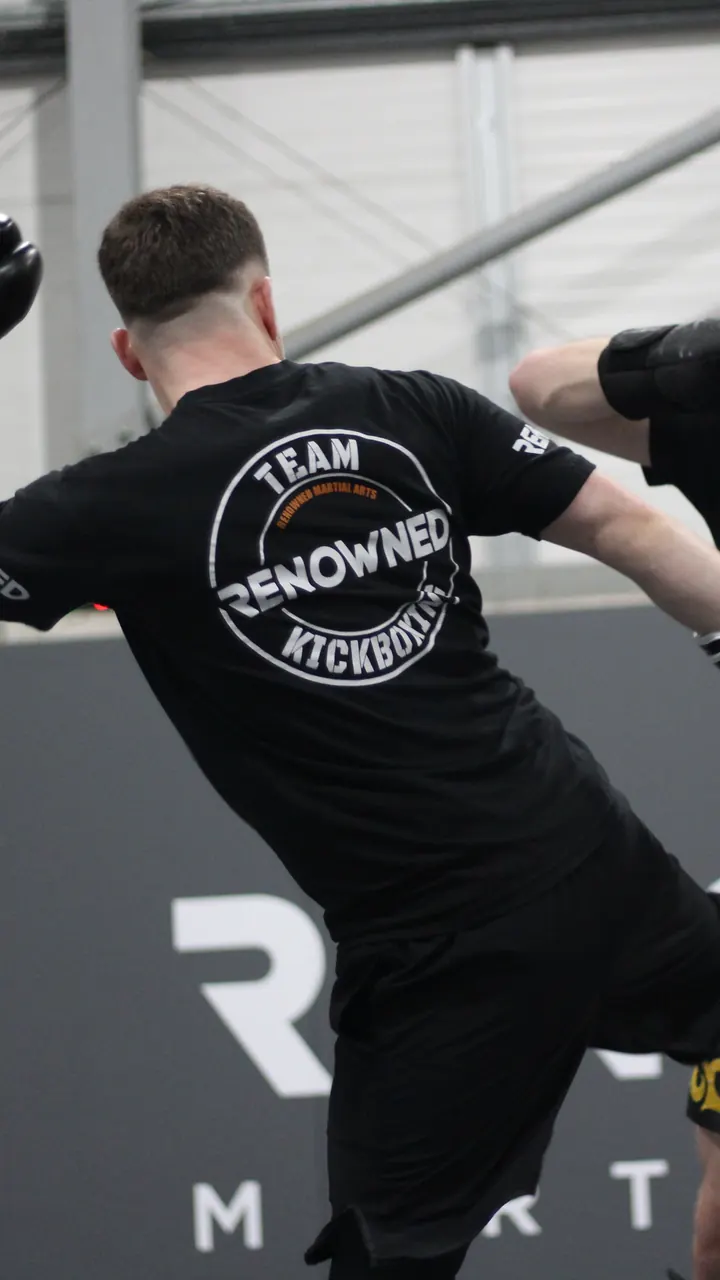
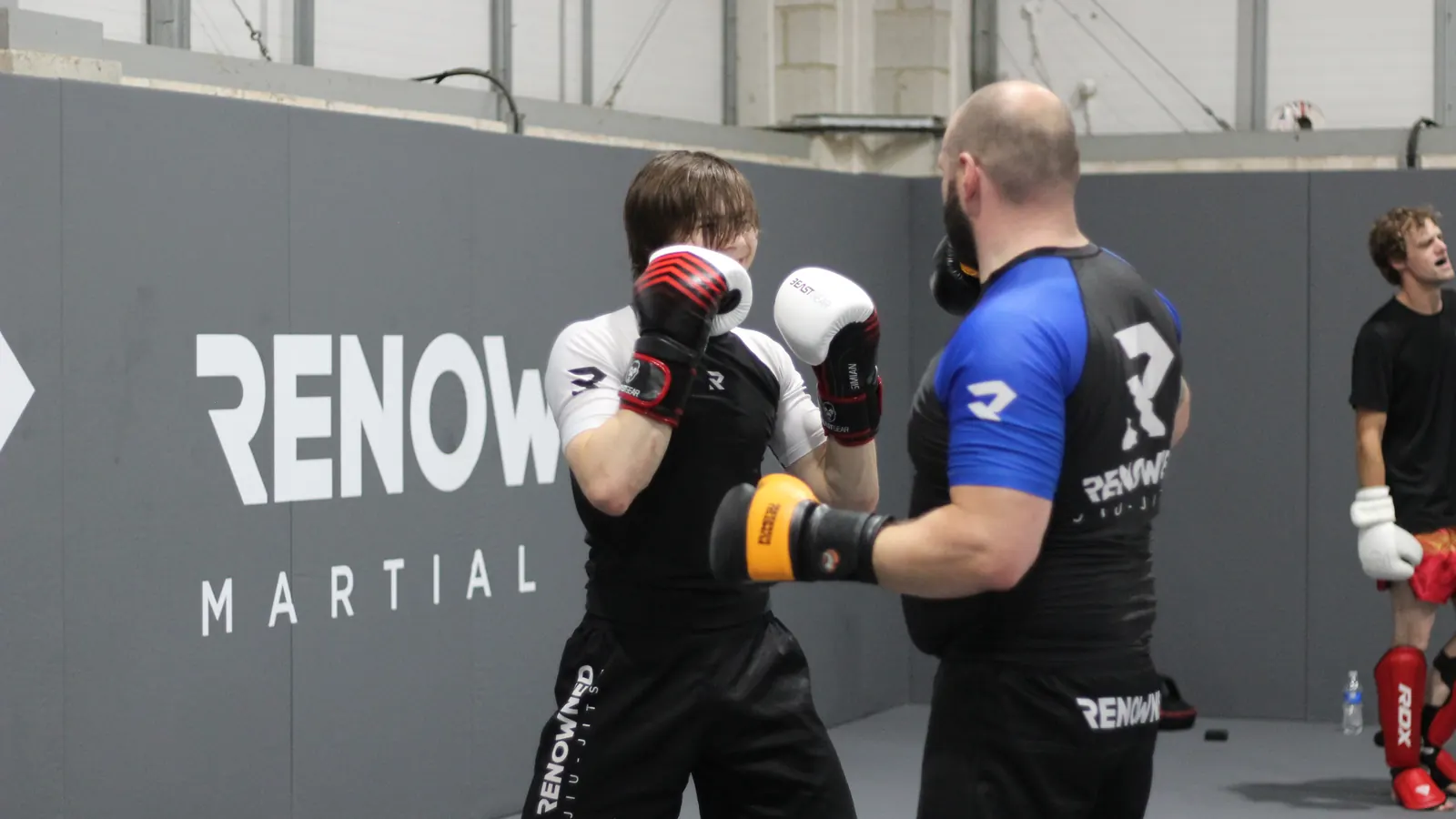
What is kickboxing
Kickboxing is a striking martial art. You learn how to punch, kick, move and defend.
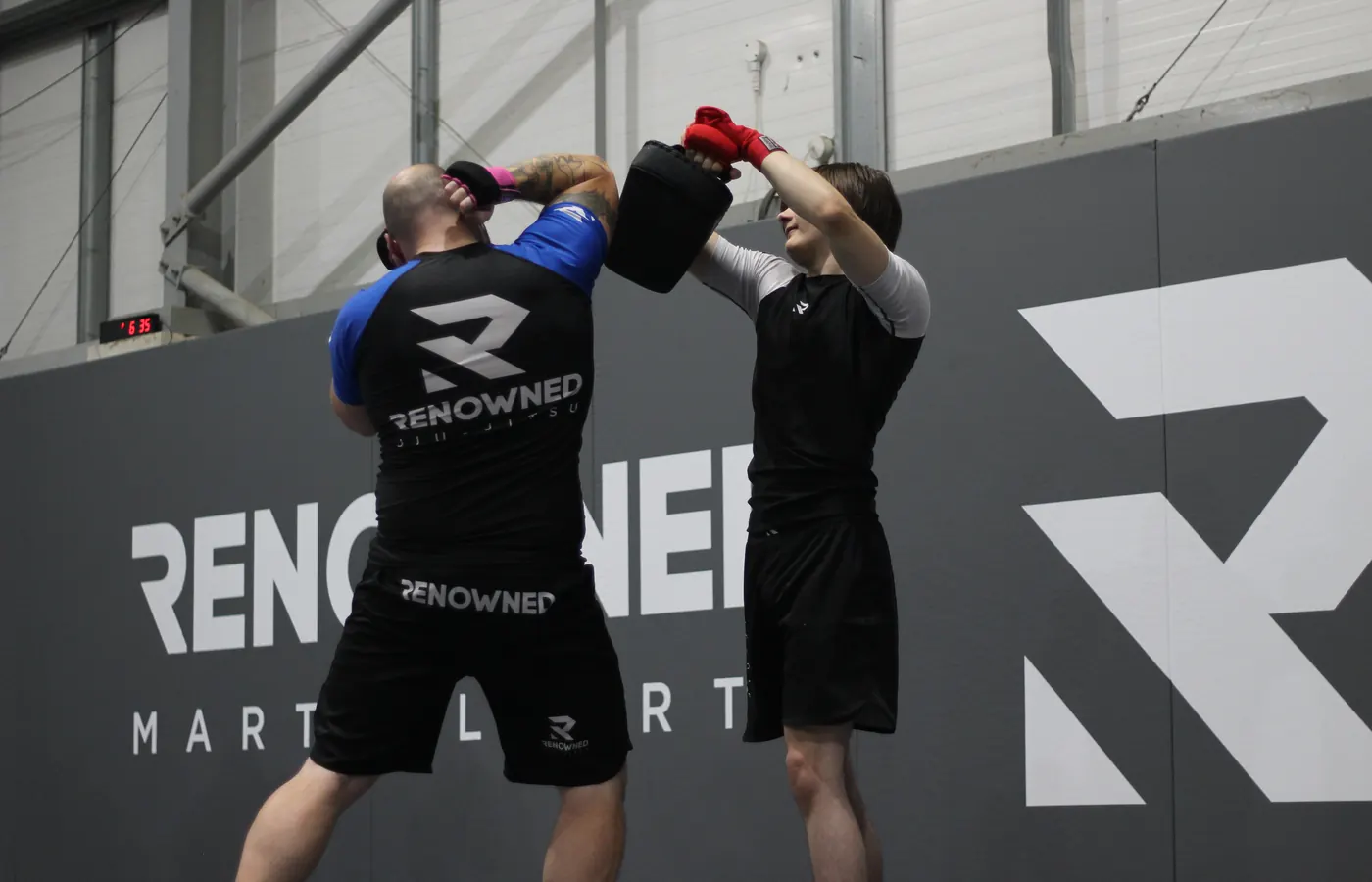
You practise on pads with a partner before adding controlled contact.
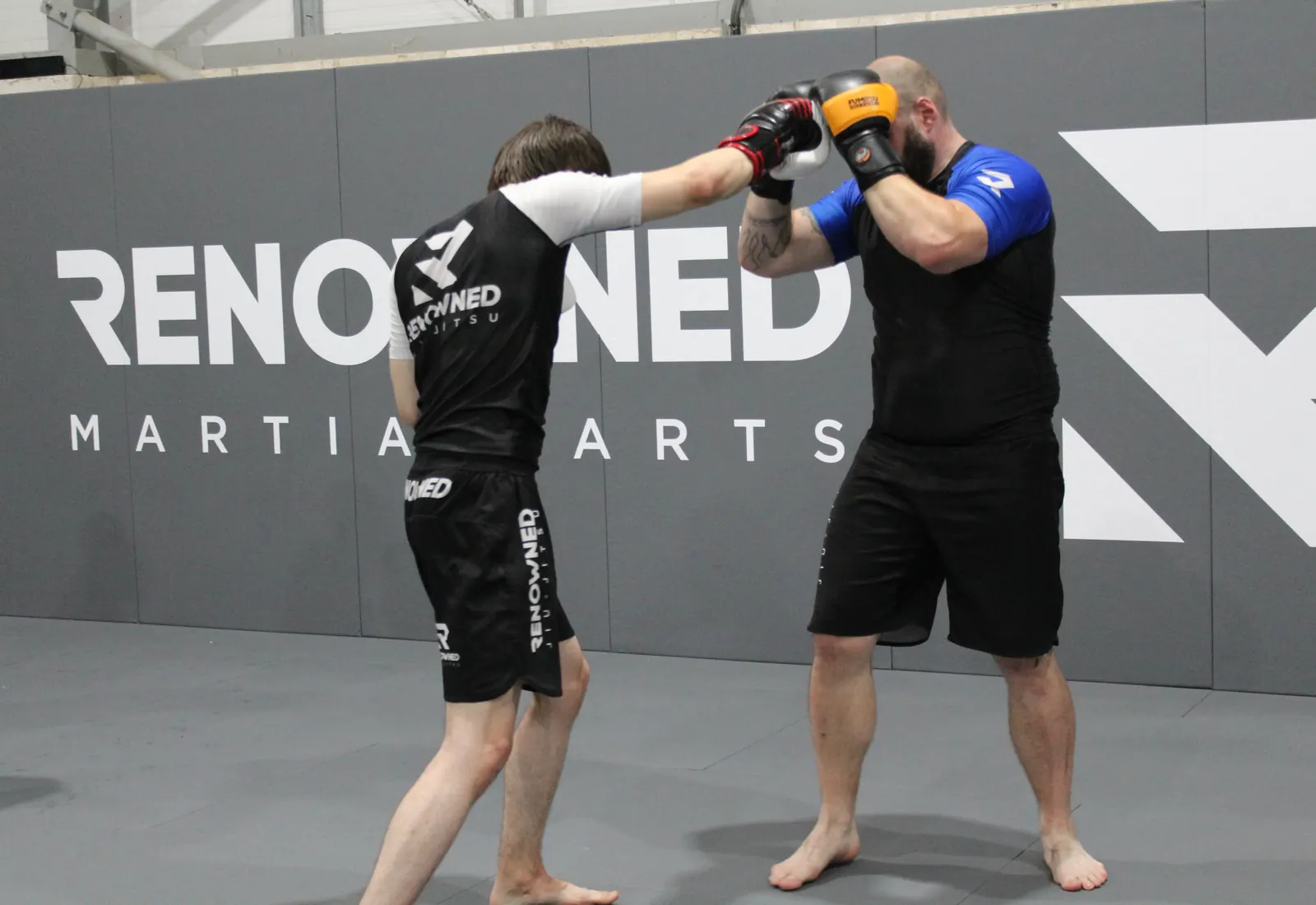
A coach sets the pace, and nobody spars before they are ready.
What keeps people here
Benefits of kickboxing for adults
Here is what shows up first, and what keeps showing up.
For you
Conditioning you can feel
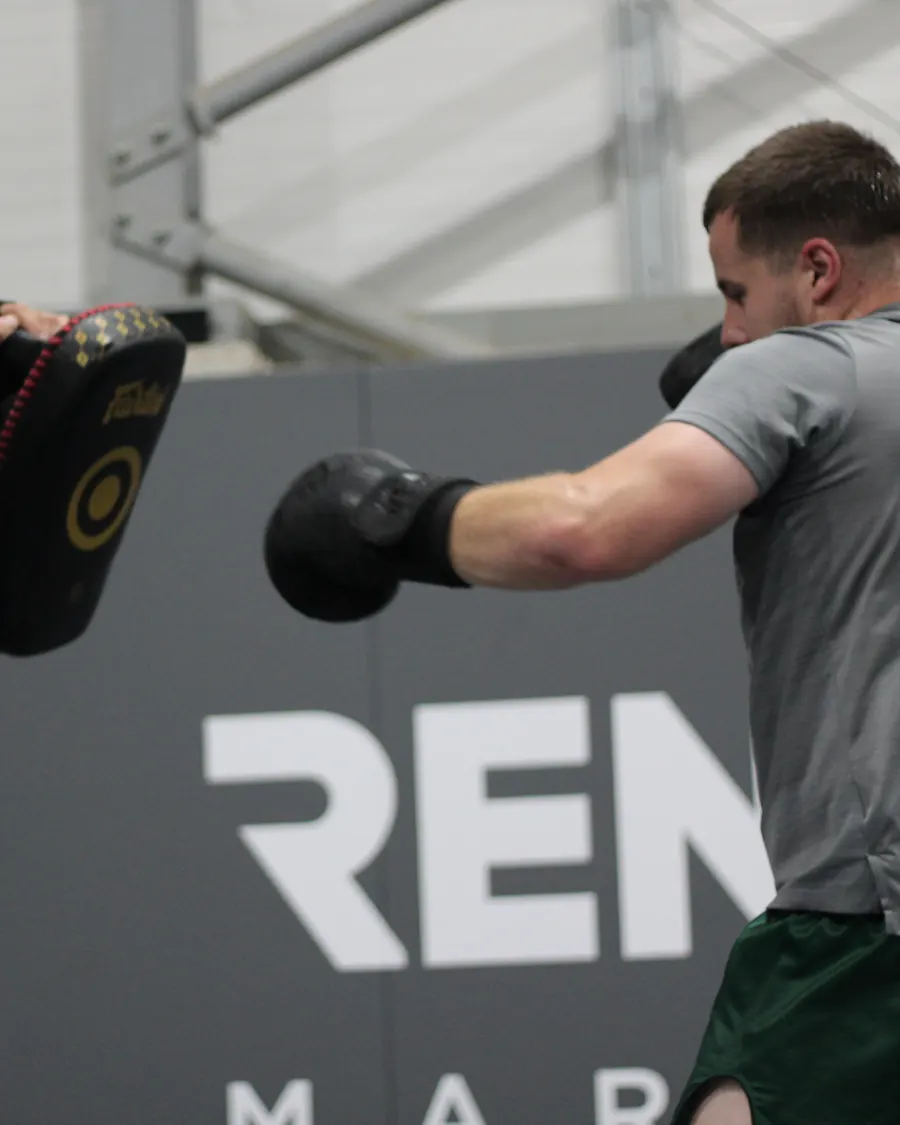
Rounds on the pads build stamina while you learn a skill. You are working towards the next round, not watching a timer on a treadmill.
Technique before power
Stance, guard, footwork and then the shot. Hitting hard is the easy part and it comes last. Nobody is asked to spar before they can move properly.
The same faces every week
You hold pads for someone and they hold them for you. It is the least solitary hour in most people's week.
Sparring, when you are ready
Do I have to spar?
No, and not for a long time even if you want to. Sparring is a separate session on the timetable for students who already have the basics.
Rounds are paced by the coach, partners are matched, and nobody is thrown in to find out what they are made of.
We have heard it all before
Worried about starting?
-
I am not fit enough
Nobody is, at the start. You work at your own pace and the fitness arrives on its own.
-
I have never hit anything
Most of a beginners class have not either. Session one is stance and one punch. That is plenty.
-
I will look ridiculous
Everyone did in week one. The room is full of people concentrating on their own feet.
-
I cannot commit to much
One session a week is a real thing to do. Two is better. Nobody is counting how often you come.
-
Is it just for young people?
No. It runs on technique and pacing, and both favour people who listen over people who are 20.
-
I do not want to get hurt
Pads, gloves and a coach on the floor throughout. Contact is optional until you want it.
Great place to train jiu-jitsu, coaches are very understanding and the classes are structured to ensure you learn the basics first then build up from there. Would recommend to anyone wanting to give jiu-jitsu a try.
AI narrated
What to expect in your first kickboxing session
No surprises, no pressure. Here is how the hour goes.
-
Arrive and get wrapped
A coach meets you, shows you round and sorts you out with gloves. You do not need to own anything.
-
Learn the stance
Everything is built on where your feet are. You will spend the first part of the session on that and on one or two strikes.
-
Get on the pads
You will pair up and work what you have just learned. This is the part everybody remembers.
-
Leave knowing what is next
You will know which session fits you, when it runs and what to bring. No hard sell.
A session, not a queue for a bag
How it works here
- A coached session with a plan for the hour
- Partner pads, so someone is working with you
- Sparring is separate until you are ready
- Try a full session free before you commit
How it often goes
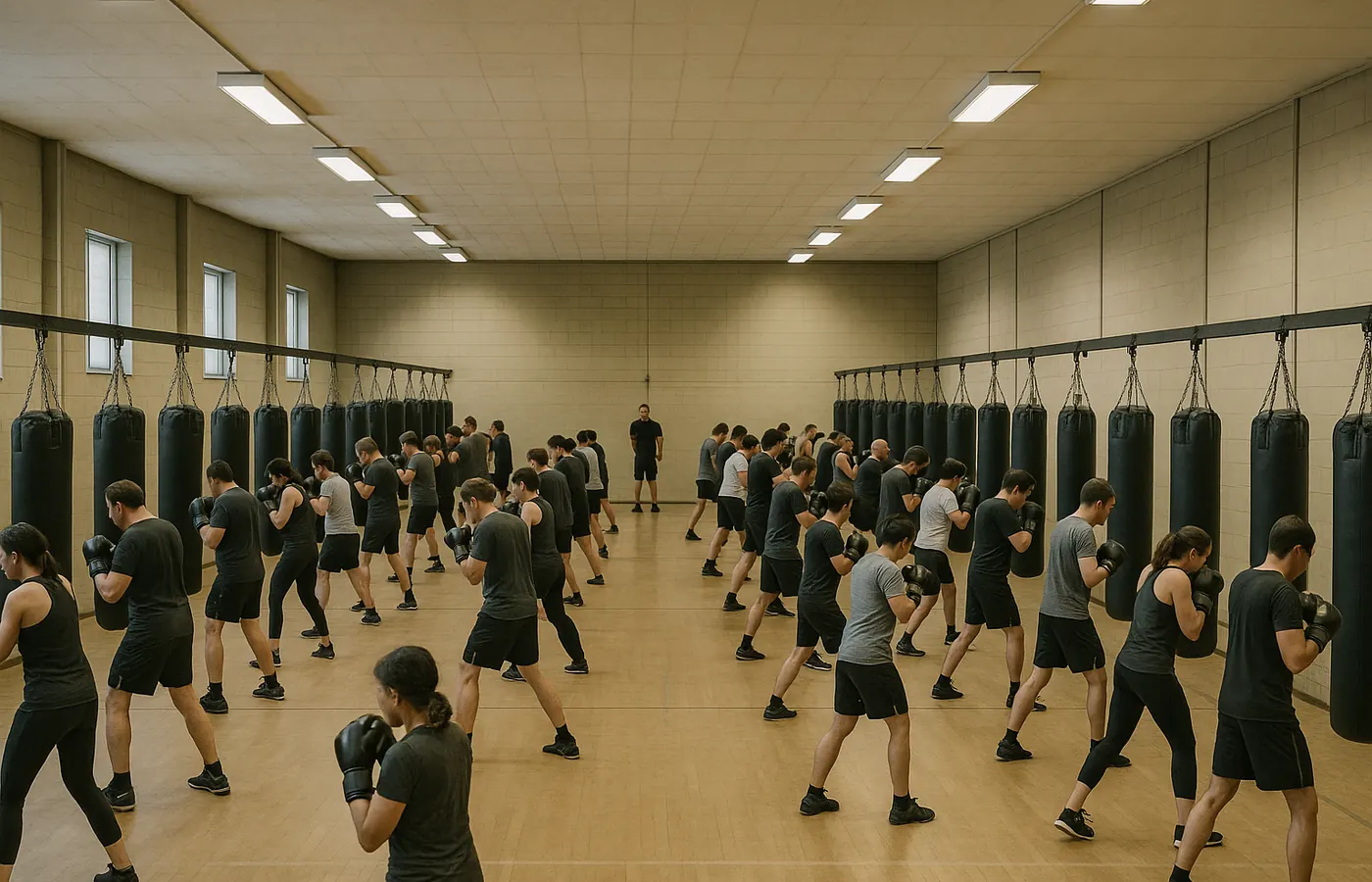
- Forty people and one instructor at the front
- A bag, and whatever you already knew
- Sparring is whoever turns up on the night
- Buy a pass just to see if you like it
What our students are saying
Real Google reviews, unedited.
-
Daniel ParryGoogle Review Really friendly atmosphere.
-
Luke RaynorGoogle Review Professor Tom and all the coaches are great and make you feel very welcome.
-
Si JaDoGoogle Review This feels more like a family than a club.
Common questions
Do I need my own gloves?
Not for your first session. We have gloves and pads for you to use.
If you carry on, most people buy their own gloves and wraps within a few weeks and a coach will tell you what is worth getting.
What should I wear?
Shorts or leggings and a t-shirt, and a pair of sliders or slip-on shoes so you can get on and off the mat quickly. Bring water. That is the lot.
Can I do kickboxing and Jiu-Jitsu?
Plenty of members do.
They are separate memberships because they are separate programmes with their own timetables, so speak to a coach about what training both actually looks like in a week before you commit to it.
How often should I train?
Once a week and you will get fitter and pick up the basics. Twice a week and things start to become automatic, which is when most people say it clicks.
There is a free session with your name on it.
Walking in the first time is the hard part. Tell us you are coming and we will handle the rest.
Book my free trial- A coach to look after you
- All equipment provided
- No experience needed
- Nothing to buy before you arrive